Thinking about spending autumn or winter by the Mediterranean? You may be wondering what temperatures to expect in Nerja and Torrox. If you are travelling from Germany, Sweden or elsewhere in northern Europe, a daytime high of around 17 °C may sound more like pleasant walking weather than the middle of winter. That is why it helps to look at temperatures, rainfall and the time of day you will be outdoors, rather than simply calling the weather “cold” or “warm”.
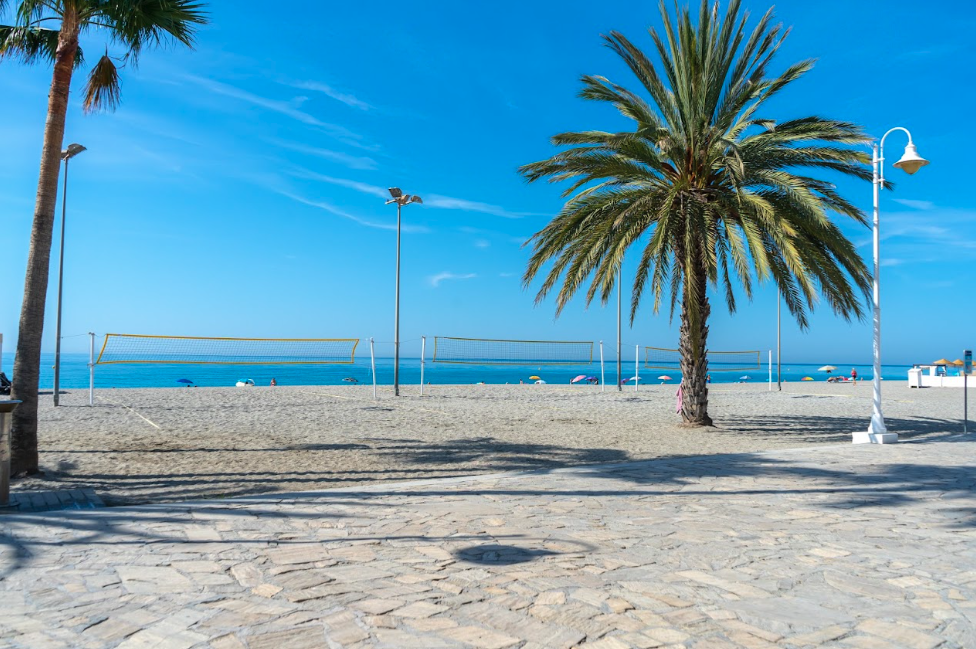
What is autumn like in Nerja and Torrox?
September and October still have much of that late-summer feel. A T-shirt may be enough on a sunny day, while a light layer comes in handy as evening approaches. October is an appealing choice for coastal walks and exploring nearby towns without the heat of high summer.
November brings milder temperatures and a greater chance of rain. Even so, a sunny day can still be lovely for breakfast on a terrace, a walk around the Balcón de Europa or a stroll by the sea in Torrox Costa. Keep some flexibility in your itinerary so you can swap an outdoor activity for something indoors if the weather changes.
Average autumn and winter temperatures: October to February
In December, January and February, the biggest difference is often between the middle of the day and the early morning or evening. A walk in the sunshine can feel pleasant, while heading out for dinner calls for a jacket or coat.
The table below shows average daily maximum and minimum temperatures from AEMET, Spain’s national meteorological agency, for Málaga Airport during 1981–2010. The average maximum is the monthly average of each day’s highest temperature; the average minimum is the equivalent for each day’s lowest temperature. These are Málaga Airport figures, provided as a regional reference, rather than measurements for Nerja or Torrox. Source: AEMET.
| Month | Average high | Average low | What to pack |
|---|---|---|---|
| October | 24.1 °C | 15.0 °C | Light clothing and a jacket |
| November | 20.1 °C | 11.3 °C | Layers, comfortable shoes and a rain jacket |
| December | 17.5 °C | 8.9 °C | A jumper, a jacket and closed shoes |
| January | 16.8 °C | 7.4 °C | Layers and a coat for evenings |
| February | 17.7 °C | 8.2 °C | Layers and a waterproof outer layer |
These are monthly averages, so some days will be warmer and others considerably cooler. If you are used to a colder climate, you may find the sunny hours comfortable for being outdoors, but it is best to pack for more than summer weather. Wind and shade can also change how warm it feels.
Does it rain much in autumn and winter?
Rain is more likely than in summer, but that does not mean it rains every day. In the same AEMET series for Málaga Airport, the average number of days with at least 1 mm of rainfall is 4.4 in October, 5.6 in November, 6.6 in December, 5.8 in January and 4.8 in February. These historical regional figures are a planning guide, rather than a forecast for your stay in Nerja or Torrox. Source: AEMET.
For a longer stay, think of rainy days as part of the season: you may enjoy several lovely days in a row, followed by a day for a leisurely lunch or an indoor activity. Check the forecasts for Nerja and Torrox closer to your travel dates.
Nerja or Torrox for an autumn or winter stay?
Both destinations offer a chance to enjoy the coast outside the high season. Nerja is a good fit if you want its town centre, streets, restaurants and sea-view walks within easy reach. Torrox Costa may appeal if you picture a relaxed routine of walks along the beach and unhurried days.
For an autumn or winter stay, choosing the right accommodation can matter just as much as choosing the destination. Check whether it gets sunshine, has heating and is a comfortable distance from the shops and services you need.
Things to do when it is not beach weather
You do not need to go swimming to enjoy this part of the Costa del Sol. Stroll around the Balcón de Europa, explore Nerja’s old town, walk along the promenade in Torrox Costa or spend a day discovering the villages of the Axarquía. If you plan to go hiking, check the forecast and trail conditions before setting off, particularly after rain.
The slower pace also makes these months appealing for stays of several weeks. Breakfast in the sunshine, remote work and a morning walk can all become part of your routine. Before booking a longer stay, confirm the internet connection, heating and accommodation terms.
Is autumn or winter a good time to visit?
Yes, if you want to spend time outdoors without the summer heat and are happy to bring a jacket and adjust your plans occasionally. October has the highest average temperatures in this selection. From December to February, regional average highs are around 17 °C, an appealing prospect for many northern European visitors looking for sunny walks and a different pace of life.
Explore our holiday accommodation in Nerja and choose somewhere that suits the way you like to travel. If you are planning several weeks in the area, tell us what you need and we will help you find a comfortable option for your autumn or winter stay.